
Egoclash
Big egos. Small pixels.
A running joke about my dislike of Microsoft became a personal mini web game. Inspired by the car-smashing bonus stage from Street Fighter II, Ego Clash turns familiar tech rivalries into a playful pixel world.
I used AI to explore the artwork and develop the game, directing its visual identity, characters and small details along the way. I also reworked an AI-generated music draft into the game's final soundtrack and sound design.
The game was playable in a weekend. Over the next two weeks, I gathered feedback and refined the details, gameplay mechanics and overall feel through countless iterations. By the time V1 was ready to launch, it had reached around version 120.
- Project
- Personal project
- Date
- 2026
The original idea
What if the car was a logo?
I remembered the Street Fighter II bonus stage and thought: wouldn’t it be fun to destroy a Microsoft logo instead? Then came the different eras, changing logos and characters. The first test worked well enough to make me want to go further. A small joke suddenly had a world to build.
Art direction and the pixel world
One joke. A whole pixel world.
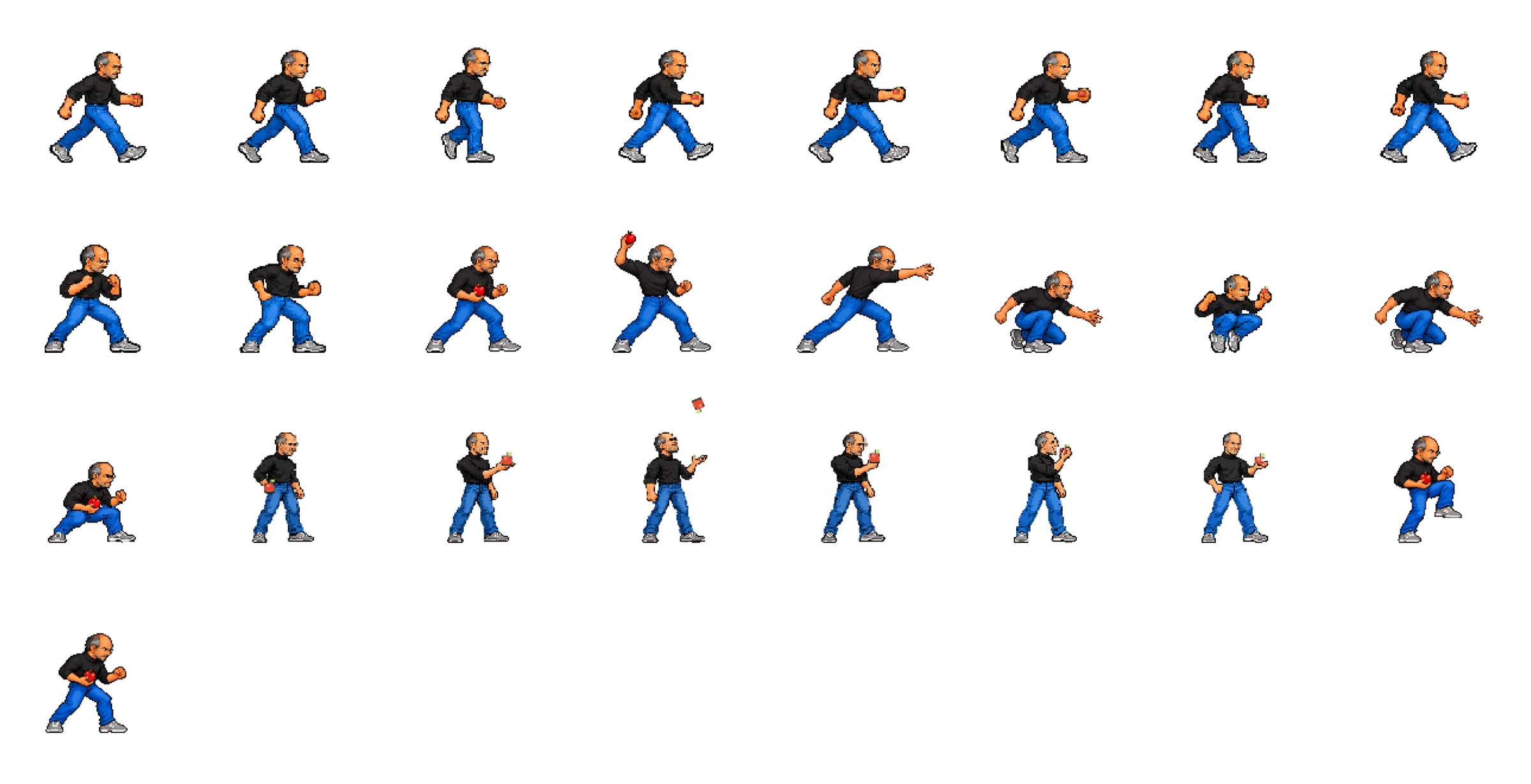
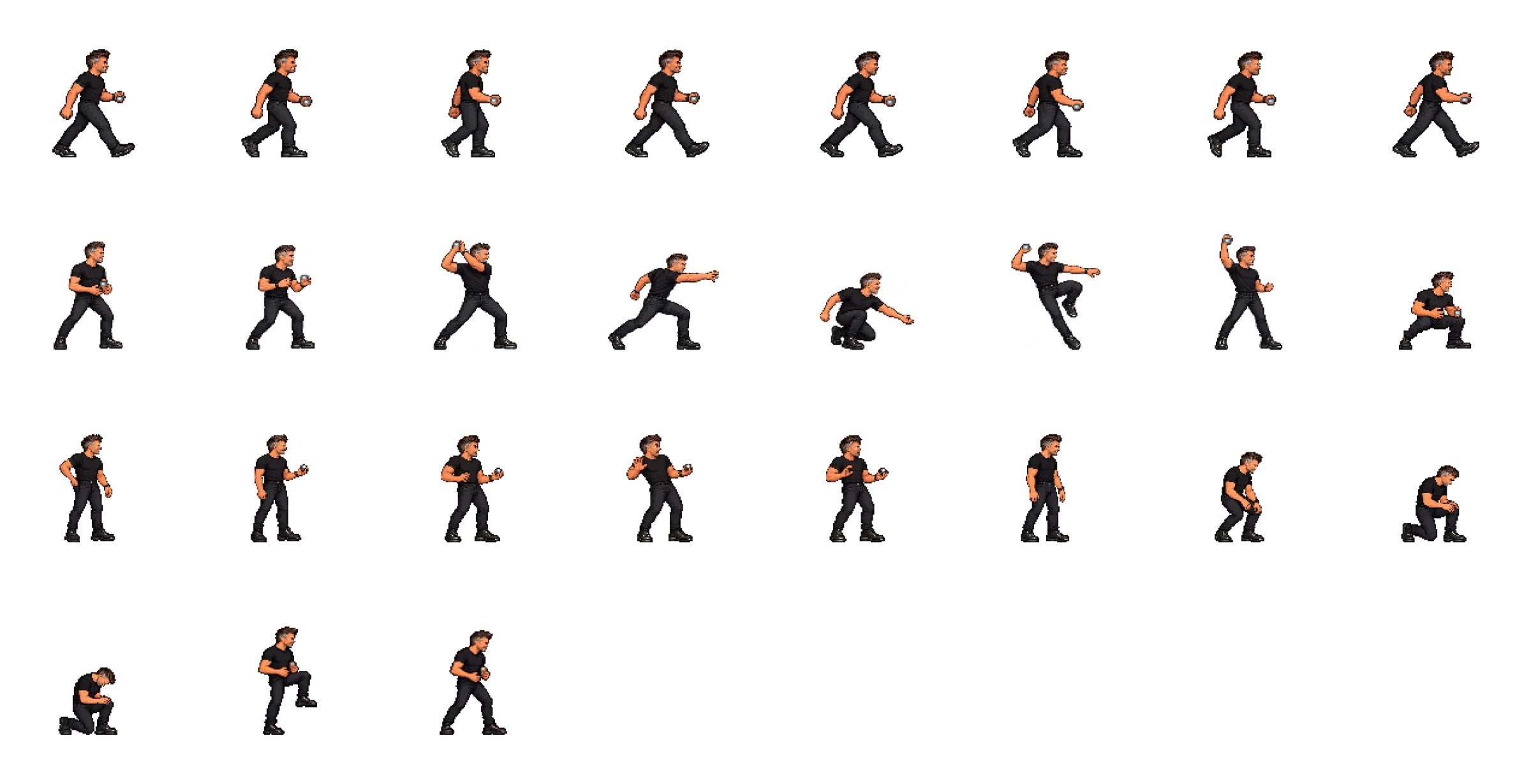
AI helped me try out characters, poses and environments quickly. My work was in choosing what belonged together and refining it: a shared pixel language, recognizable silhouettes, the right expressions and movement. As the Microsoft eras took shape, I added three bonus rivalries. That felt like enough to keep the idea focused.

Easter eggs
A little reward for paying attention.
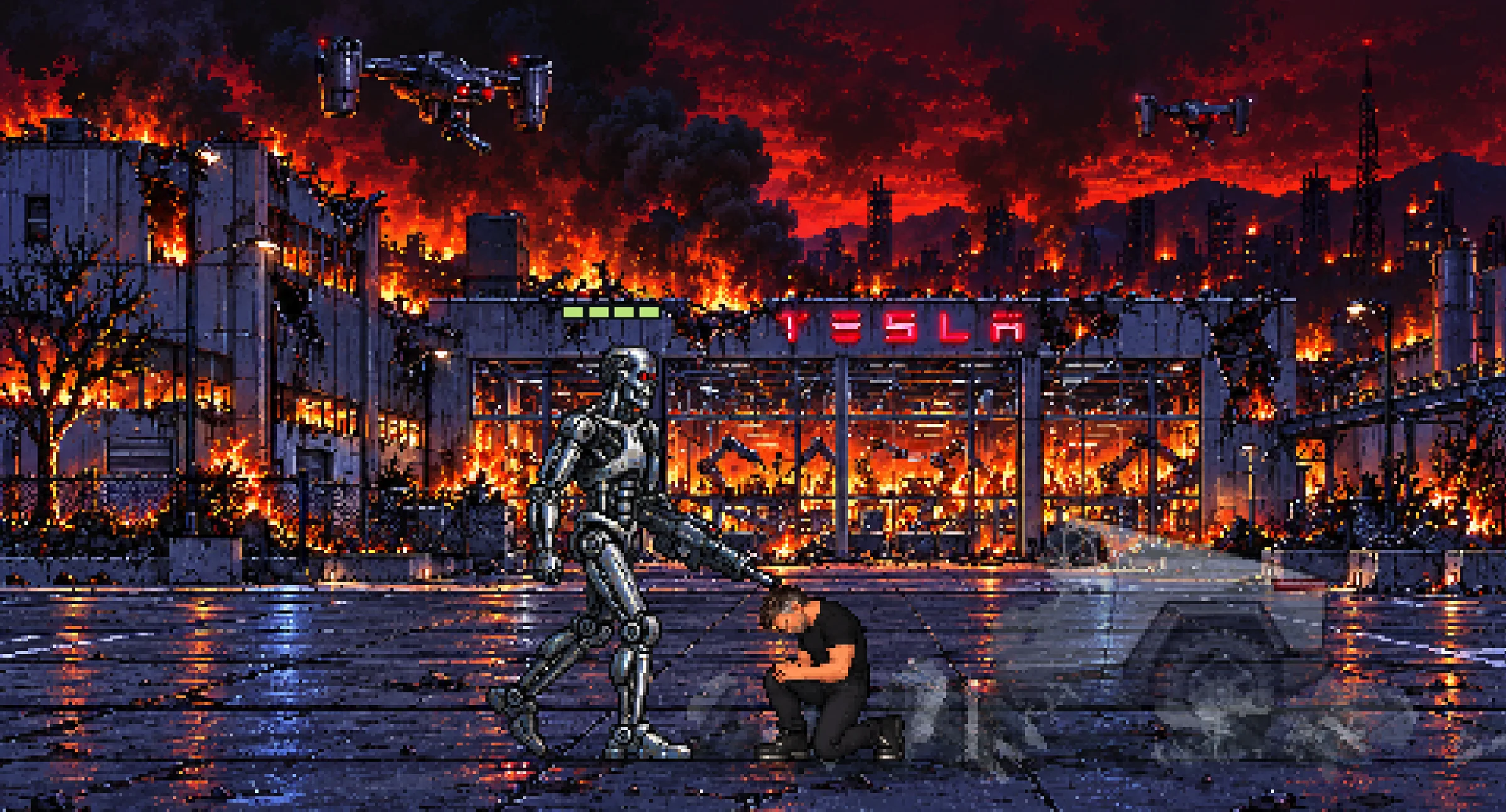
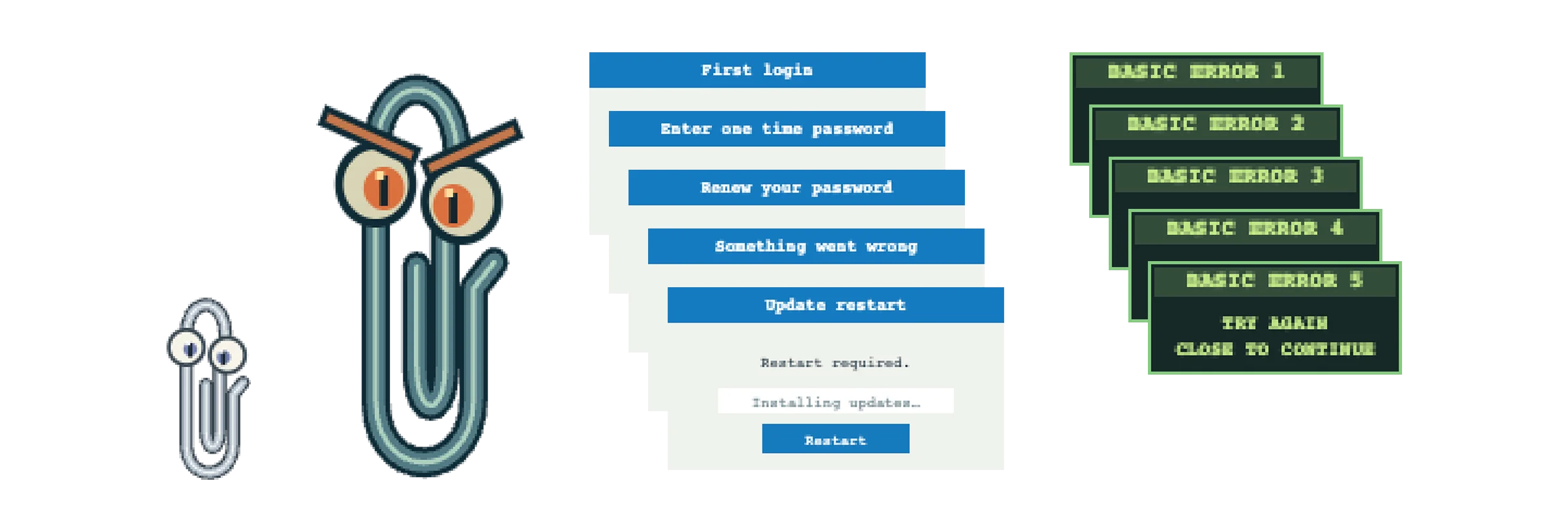
Steve throws apples at the logo and takes a bite to celebrate. Clippy becomes a problem. Familiar lines and small references reward anyone who shares my affection for tech and film Easter eggs. One of my favourites is the Cybertruck window crash, with its surprise Terminator-inspired final boss. And if you remember the Konami code, it might be worth a try 😉
The mobile experience
Made for touch.
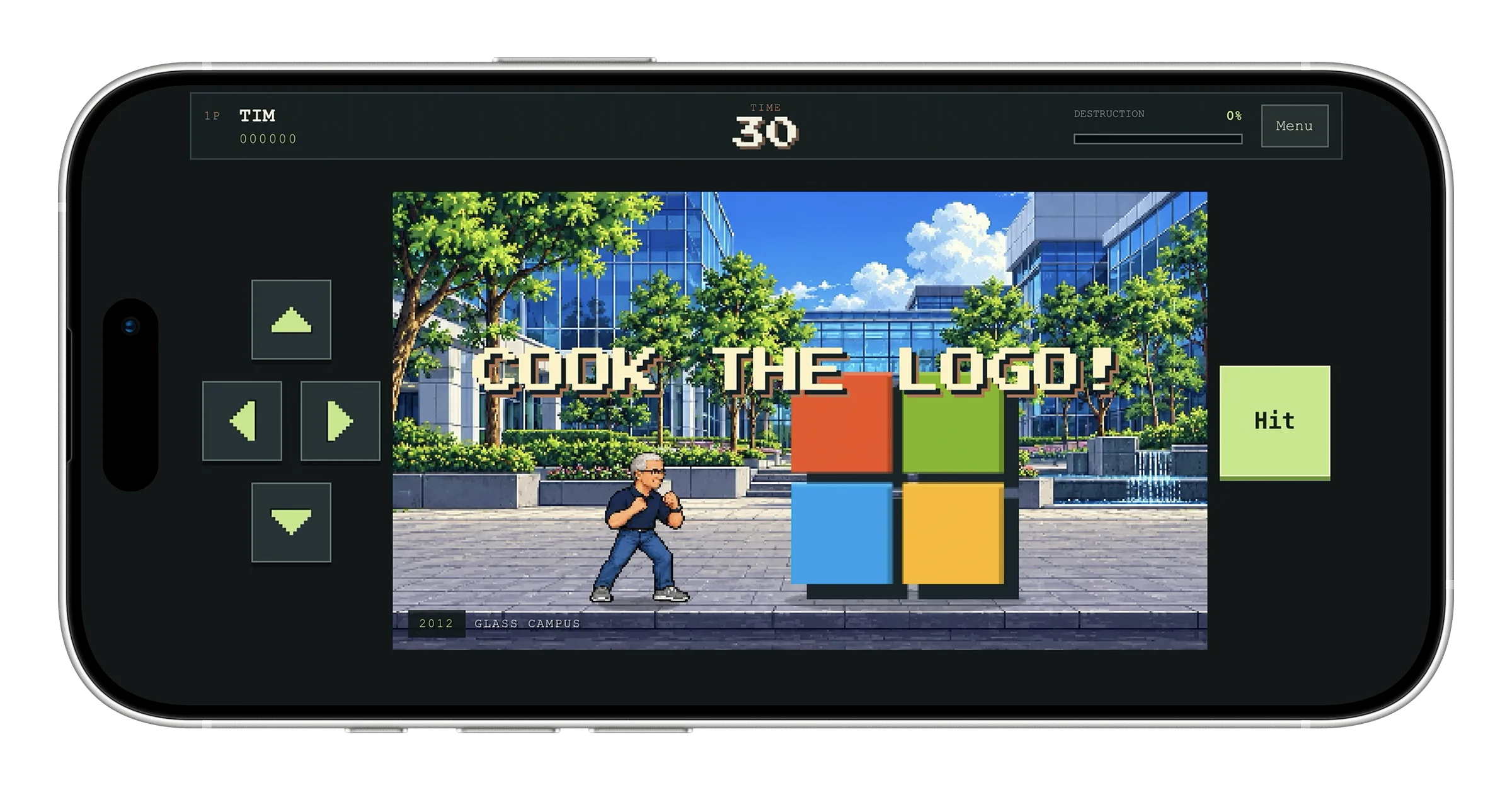
Bringing the game to mobile meant rethinking the layout and making room for touch controls. I refined the landscape interface, button placement and feel by playing, adjusting and playing again.
What started as a joke about Microsoft, mixed with a little Street Fighter II nostalgia, turned into a surprisingly rewarding creative experiment. Building Ego Clash with AI became a hands-on lesson in game development, from refining character animations and balancing difficulty to hiding Easter eggs and making everything work across devices. Countless iterations later, it was a reminder of how rewarding it can be to turn a simple idea into something real, learning along the way.
And as the final screen says, “It won’t change anything but we had fun.”
Continue exploring